 Insights
 White Papers
 Ecosystem Radar
Ecosystem Radar
Bulgaria's Prospective Eurozone Accession on July 1, 2025
Bulgaria has a clear opportunity to join the Eurozone on July 1, 2025, contingent upon meeting the Maastricht criteria, including controlling inflation, maintaining fiscal discipline, and ensuring sustainable growth.

©
FTS Insights official •
ORIGINAL ARTICLE
December 04, 2024
iBanFirst: България има ясна възможност да се присъедини към еврозоната от 1 юли 2025 г.
by Petya Stoyanova
“Implementing strategic hedging measures and closely monitoring macroeconomic developments will be crucial to mitigate currency risks and ensure stable international partnerships."
– Dean Todorov, Country Manager for Bulgaria at iBanFirst
Article Summary
Bulgaria is poised to join the Eurozone on July 1, 2025, provided it meets the stringent Maastricht criteria. These include: - Inflation Control: Ensuring the inflation rate does not exceed by more than 1.5 percentage points the average rate of the three EU member states with the best price stability. - Fiscal Discipline: Keeping the annual public deficit below 3% of GDP. - Public Debt Management: Maintaining government debt under 60% of GDP. While the target date is ambitious, Bulgaria's ability to fulfill these economic criteria is crucial. The country must balance controlling inflation, maintaining fiscal discipline, and achieving sustainable growth. Challenges such as global economic shifts and inflationary pressures must also be addressed. Dean Todorov, Country Manager for Bulgaria at iBanFirst, advises Bulgarian companies engaged in import and export to: > "Focus on enhancing currency risk management and diversifying their markets. Implementing strategic hedging measures and closely monitoring macroeconomic developments will be crucial to mitigate currency risks and ensure stable international partnerships." The analysis further highlights that market volatility is expected to persist through 2025. Global protectionism and economic boycotts are reshaping international trade, posing significant challenges for Bulgarian companies involved in global commerce. These businesses face difficulties in maintaining profitability and financial stability. The FX Market Outlook 2025 report aims to assist companies in better understanding and managing currency risks in the coming year. Key macroeconomic trends identified include: - Monetary Policy Adjustments: Central banks are modifying monetary policies based on economic indicators like inflation, growth, and employment, leading to increased currency market volatility. - Trade Disruptions: Approximately one-third of countries globally, including 60% of developing nations, are subject to economic sanctions, affecting global economic growth. - Eurozone's Modest Growth: The Eurozone is experiencing modest growth of about 1%, influenced by limited monetary policy flexibility and stagnation in key economies like Germany. This situation could negatively impact the demand for Bulgarian exports in European markets. However, analysts believe that a recession in developed economies is unlikely, as factors such as real wage growth, gradual easing of restrictive monetary policies, and expansionary fiscal policies, particularly in the U.S., support global economic activity. The FX Market Outlook 2025 report offers valuable insights for Bulgarian businesses to navigate these challenges effectively.
Key Highlights
- Bulgaria aims to join the Eurozone on July 1, 2025, contingent upon meeting Maastricht criteria.
- Key criteria: Inflation control, fiscal discipline, and public debt management.
- Challenges: Global economic shifts and inflationary pressures.
- Recommendations for businesses: Enhance currency risk management and diversify markets.
- Market outlook: Continued volatility expected through 2025.
Takeaway
Bulgaria's potential accession to the Eurozone signifies a pivotal moment in its economic integration with Europe. Meeting the Maastricht criteria not only reflects the country's commitment to fiscal responsibility but also positions it to benefit from the stability and opportunities that come with Eurozone membership. For Bulgarian businesses, this transition underscores the importance of robust financial strategies, particularly in managing currency risks and adapting to global economic dynamics. As the Eurozone expands, Bulgaria's inclusion could enhance investor confidence, stimulate economic growth, and solidify its role in the European economic landscape.
Read the full coverage on Investor.bg(bg)
About Investor.bg
Investor.bg is a Bulgarian online media focused on finance, economics, and markets, providing timely news, analysis, and tools for investors and professionals.
They are mentioned in this publication
Related Publications Continue reading


/ EnduroSat has announced a $205 million funding round co-led by Riot Ventures and Atreides Management. The Sofia-headquartered company says the capital will support larger satellite production, a new high-volume manufacturing facility in the United States, and the build-out of what it calls the EU's largest space and defense hub.
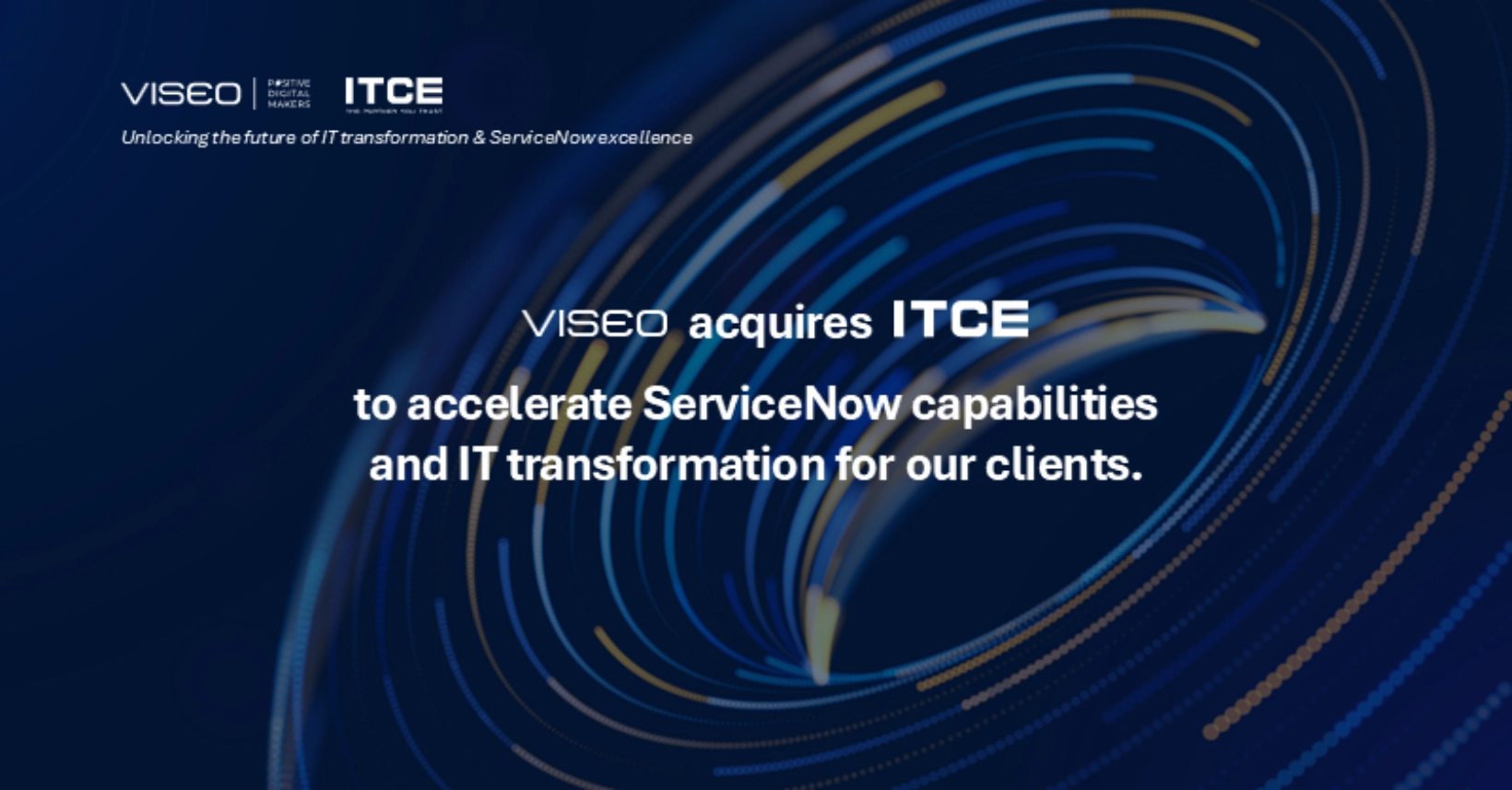
SeeNews / VISEO has acquired Bulgarian consulting and training firm ITCE, according to SeeNews. The deal brings a Sofia-based specialist in IT transformation and ServiceNow into the French group's wider consulting platform.


Reuters / France said companies pledged €93 billion at the 2026 Choose France summit, setting a new high for the event. The largest single commitment came from SoftBank, which plans to invest €45 billion in three data centres in Hauts-de-France by 2031 as France pushes to position itself as a European base for AI infrastructure.