 Insights
 White Papers
 Ecosystem Radar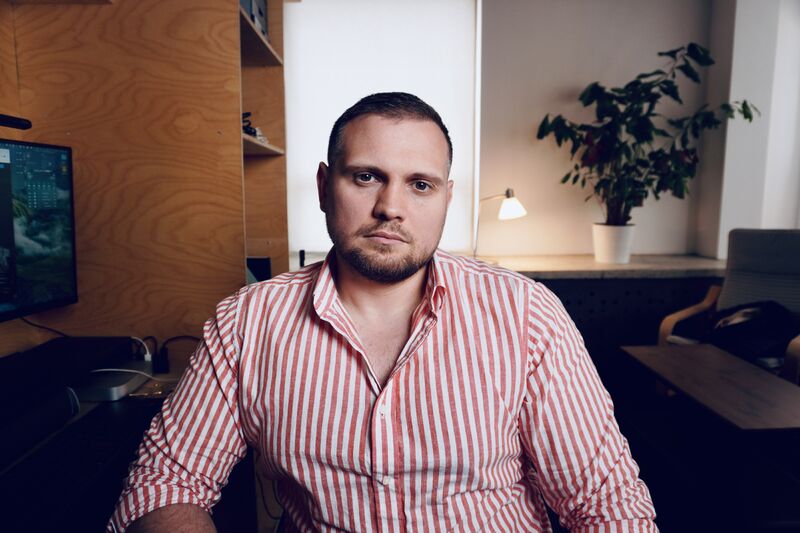
Contributors

Editors
Interview
Edtech & Cybersecurity: An Exclusive Interview with Maximilien, Founder of NEO Cyber Camp
Deep-dive in the entrepreneurs' journey of Maximilien, building NEO - An all-in-one platform to learn and practice available 24/7 only with an internet connection, that offers you a direct path to a cybersecurity carreer.
Daily Leadership and Personal Motivation
Q1. Can you walk us through what a typical day in your life as an entrepreneur? I’m curious about the routines or habits you’ve developed that help you stay productive and focused. How do you prioritize tasks and balance the various responsibilities that come with leading a young company like NEO?
A typical day in my life as a CEO can be summarized in one word: problem-solving. Whether it's a minor inconvenience or a significant obstacle, my days are filled with addressing challenges that arise across different areas—be it administration, customer relations, or team dynamics. I don’t see this as a negative aspect of the role; rather, I view it as an opportunity for continuous growth and development.
Every issue presents a unique challenge, and for someone who thrives on problem-solving, it’s the ideal environment. The key is maintaining the right mindset. I approach each challenge with curiosity and the determination to find a solution. This perspective turns potential setbacks into learning experiences and fuels my motivation to keep pushing forward.
I start my day by reviewing priorities, setting clear goals, and addressing the most pressing issues first. This helps me stay focused and productive amidst the chaos. I also make sure to carve out time for strategic thinking and long-term planning, ensuring that I’m not just reacting to problems but also steering the company toward its vision.
Q2. In the face of challenges and obstacles, what keeps you motivated to stay resilient and continue pushing forward? Are there particular experiences or philosophies that inspire your perseverance? Additionally, how do you inspire and motivate your team to maintain the same level of determination?
To achieve extraordinary results, you need to put in extraordinary efforts. I am fully aware that if success were easy, everyone would achieve it. My motivation is rooted in my personal goals and the understanding that hard work is the only way to reach them.
I am an eternal optimist, and I truly believe that no matter how tough the situation, things will eventually work out in my favor—provided I put in the necessary work. This mindset keeps me resilient, allowing me to view obstacles as temporary setbacks rather than permanent barriers.
I aim to inspire my team by leading by example. I communicate my vision clearly and remind them of the greater purpose behind our work. By cultivating an optimistic and solution-oriented culture, I encourage my team to embrace challenges and remain persistent, even when the going gets tough.
Q3. What was the driving force behind your decision to start your own business or pursue entrepreneurship? Was there a defining moment or experience that sparked your journey? I’d love to hear about the vision or passion that initially fueled your ambition and how it has evolved over time.
For me, entrepreneurship is synonymous with freedom—the freedom to control my time, make my own decisions, and pursue financial independence. It’s about taking charge of my life and carving out a path that aligns with my vision and values.
This desire for autonomy was the driving force behind my decision to become an entrepreneur. I realized that working for someone else would never give me the level of freedom and impact that I wanted to achieve.
I won’t sugarcoat it—entrepreneurship is challenging, and the journey is filled with uncertainty. But it also provides unmatched opportunities for growth, creativity, and fulfillment. It’s about building something meaningful while living life on my own terms, and that’s a powerful motivator.
"Words can be like X-rays, if you use them properly—they’ll go through anything. You read and you’re pierced."
—Aldous Huxley, Brave New World
Q4. Achieving a healthy work-life balance can be challenging, especially as an entrepreneur with demanding responsibilities. How do you approach maintaining that balance? Are there specific routines or boundaries you’ve set to ensure personal well-being while meeting professional obligations?
I firmly believe that success at work is impossible if things aren’t going well in your personal life. If you’re not mentally and physically well, you can’t perform at your best. Therefore, maintaining a healthy work-life balance isn’t just desirable—it’s essential.
I set clear boundaries between work and personal time, making sure to recharge and disconnect when needed. This allows me to return to work with renewed energy and focus. I also prioritize my physical health, knowing that a healthy body supports a sharp mind.
By ensuring that my personal life is fulfilling and balanced, I’m better equipped to tackle the challenges of running a business. This holistic approach not only enhances my productivity but also contributes to my overall happiness and well-being.
Challenges and Strategic Decision-Making
Q5. When facing setbacks or failures, as the CEO how do you typically handle them? Can you share some strategies or mindsets that have helped you overcome challenging situations? Additionally, how do you communicate and navigate these setbacks with your team to maintain morale and momentum?
Setbacks and failures are an inevitable part of being a CEO. There’s no escaping them, but you can certainly manage how they impact your business. My approach is to minimize their effect by proactively planning for risks and reacting swiftly when issues arise. I believe in addressing problems head-on rather than letting them fester.
One of the most valuable lessons I’ve learned is that failures are often the greatest teachers. Success can sometimes be misleading, giving a false sense of security, whereas failures provide hard-hitting insights that force you to adapt and improve. I analyze each setback to understand what went wrong and how we can prevent it from happening again.
Communicating transparently with my team is crucial during these moments. I make it a point to acknowledge the challenges we face while emphasizing our collective ability to overcome them. This helps maintain morale and keeps everyone focused on solutions rather than dwelling on the problems. I also encourage a culture of resilience, where setbacks are viewed as opportunities for growth.
Q6. As it's often the case for you startups - can you discuss a specific time when you realized the need to pivot or change your business strategy? What were the signs that led you to make this decision, and how did you go about implementing the new approach? Looking back, how did this change impact the overall direction of your company?
One of the most significant pivots we made was when we encountered delays in meeting crucial milestones. These milestones were essential for our go-to-market strategy on the B2C level. Due to poor time management from a team member, we faced unexpected delays that could have derailed our launch timeline.
Instead of waiting passively, we decided to pivot by focusing on a B2B approach, selling components of our product that were ready for the market. This shift not only allowed us to generate revenue but also validated our product's value proposition from a different angle. It was a strategic decision driven by necessity, but it turned out to be a blessing in disguise, as it opened new revenue streams and partnerships we hadn’t initially considered.
This experience reinforced the importance of adaptability and strategic thinking. It taught me that setbacks can sometimes lead to better opportunities if you’re willing to rethink your approach.
Q7. Dealing with difficult clients or customers is inevitable in any business. Can you share your approach to handling challenging interactions while maintaining professionalism and positive relationships? Are there specific techniques or experiences that have taught you the best ways to navigate these situations?
Handling difficult clients or customers is always challenging, but it’s a crucial skill for any CEO. My philosophy is straightforward: if I can end the relationship without significant consequences, I choose to do so. Nothing drains more energy and morale than a toxic client. While it might be financially tempting to hold on to every customer, I value my team’s peace of mind—and my own—over the short-term gains.
I understand that this approach isn’t always feasible, especially when dealing with key accounts or strategic partnerships. In those cases, I focus on maintaining professionalism and clear communication. I actively listen to their concerns, ensuring they feel heard and valued. Often, frustration stems from misunderstandings or unmet expectations, so addressing these directly can resolve the issue before it escalates.
I also set clear boundaries and expectations from the beginning of our business relationship. This proactive approach reduces the chances of conflicts arising later. If tensions still persist, I remain calm and composed, focusing on finding a mutually beneficial solution.
Over the years, I’ve learned that not every client is worth the trouble. Some customers are simply not the right fit, and letting them go can open up space for better opportunities. By maintaining this mindset, I’m able to protect my team’s morale and maintain a positive work environment.
Ultimately, my goal is to build long-term relationships based on mutual respect and value. When that’s not possible, I’m not afraid to walk away, knowing that preserving our company culture and peace of mind is more important than short-term financial gains.
Influence and Networking
Q8. Mentorship can play a crucial role in a leader’s journey. Can you talk about the influence mentorship has had on your career as a CEO? Were there particular mentors who shaped your perspective, and how have you paid it forward by mentoring others in your industry?
Mentorship has been instrumental in my journey as a CEO. It’s like having a GPS while navigating a complex and unfamiliar terrain. You could find your way without it, but it would be much slower and more prone to errors. Learning from someone who has already walked the path can save you from unnecessary mistakes and accelerate your progress.
I’ve been fortunate to have mentors who shared their experiences and guided me through challenging situations. They helped me avoid pitfalls they had encountered themselves, providing invaluable insights that I couldn’t have gained from books or courses alone.
Understanding the impact of mentorship, I make it a priority to mentor others within my industry. I see it as a way of paying it forward, helping emerging leaders avoid the mistakes I made and empowering them to grow faster. Just like my mentors helped me find my way, I strive to be the GPS for others on their entrepreneurial journey.
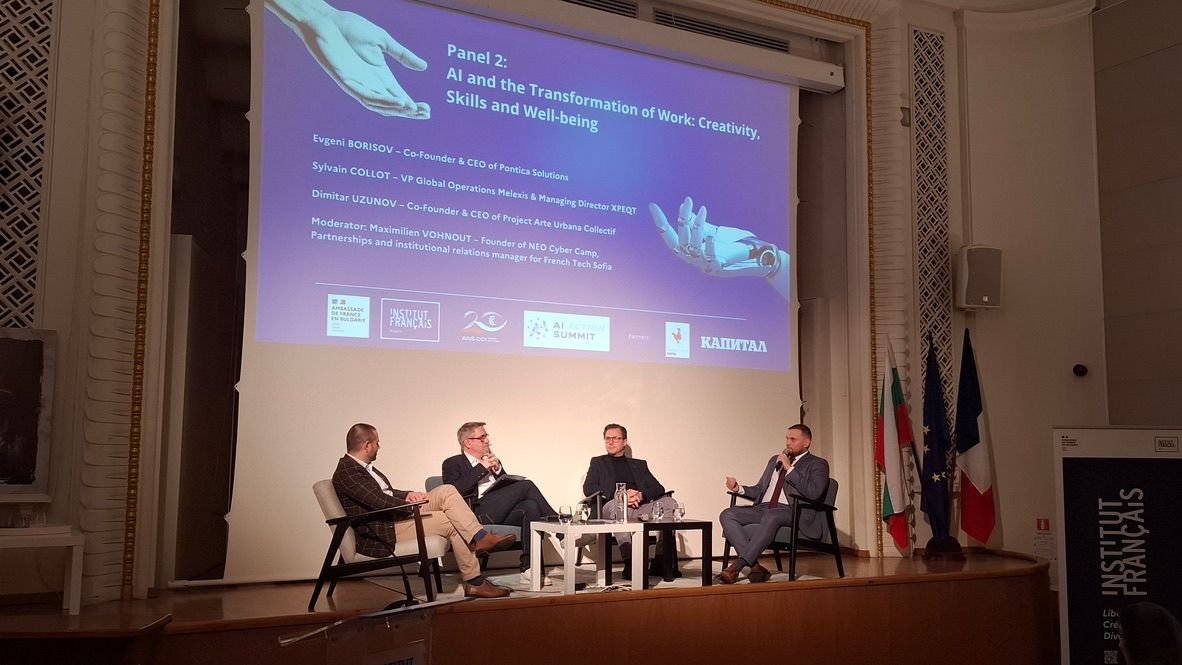
Q9. Networking often plays a significant role in building and growing a business. How important has networking been in your professional journey, and what strategies have you found most effective in forming meaningful connections? Additionally, how do you maintain and nurture these relationships over time?
Networking has been a crucial component of my journey as a CEO. In many ways, it’s similar to mentorship—having a strong network makes navigating challenges significantly easier. When you have the right connections, you can solve problems more efficiently, hire top talent through trusted recommendations, and even get your product or service promoted by influential voices in your industry.
I approach networking with a long-term mindset, focusing on building genuine relationships rather than transactional connections. I believe in the power of reciprocity, so I always look for ways to provide value before asking for anything in return. Whether it’s offering advice, sharing resources, or making useful introductions, I prioritize giving first.
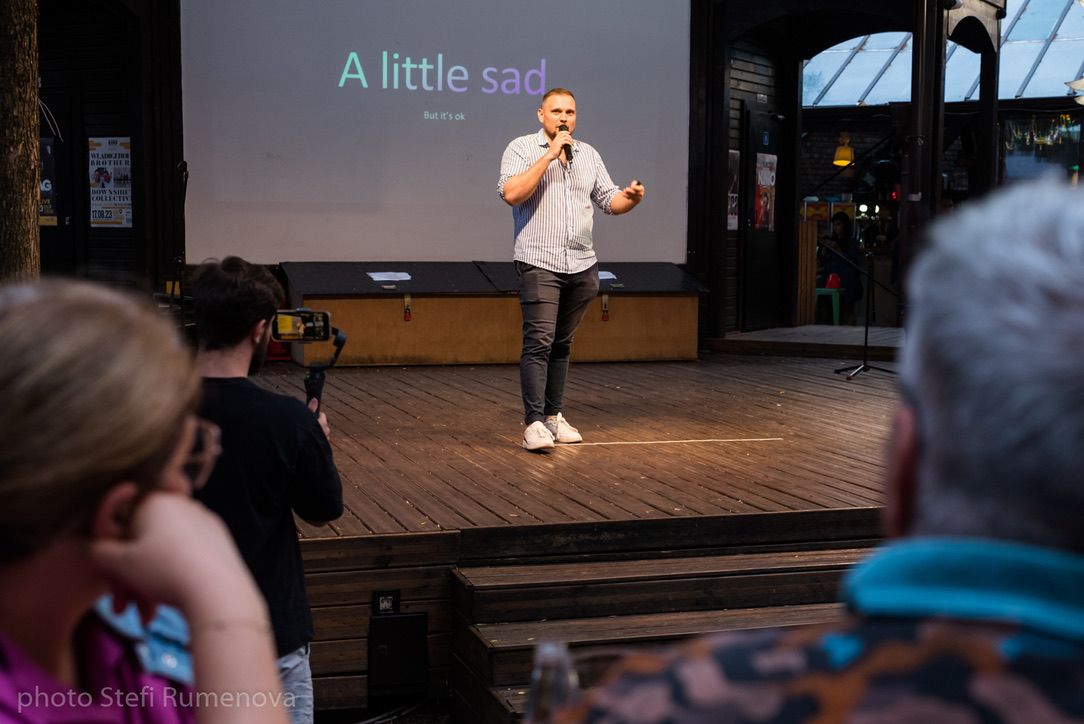
To maintain and grow my network, I make it a point to attend networking events regularly—typically two to four times per month. These events provide valuable opportunities to meet new people, learn about industry trends, and reconnect with existing contacts.
I’m also very active on social platforms, particularly LinkedIn, where I engage with my network by sharing insights, commenting on relevant discussions, and celebrating others’ successes. This ongoing interaction keeps me on top of mind with my connections, ensuring that my network remains strong and active.
For me, networking is about building a community of like-minded individuals who can support each other’s growth and success. It’s about creating a positive feedback loop where everyone involved benefits.
Productivity and Operational Efficiency
Q10. More than ever, with the development of AI especially, leveraging the right tools and technologies is essential for efficiency. What are some of the key tools or technologies you rely on to streamline your workflow and enhance productivity? Have there been any game-changers that significantly impacted the way you lead and manage your team?
Technology is indispensable in today’s business world, especially for productivity and workflow optimization. I rely on a variety of tools daily, each carefully chosen to enhance my efficiency and decision-making. With the right set of tools, productivity can skyrocket, allowing me to focus more on strategic growth rather than getting bogged down by routine tasks.
One of my favorites is ChatGPT, which I use for brainstorming ideas, drafting content, and even problem-solving. Its versatility and speed significantly enhance my productivity, giving me a powerful tool for creative and analytical tasks.
I also use Apple Notes for quick thoughts and reminders. It’s simple yet effective for capturing ideas on the go, ensuring that no inspiration is lost. When it comes to maintaining focus, Brain.fm is my go-to. Its scientifically designed music helps me get into deep work mode, which is invaluable for strategic planning and problem-solving.
For team collaboration and project management, I rely on Miro and Plaky. Miro’s visual collaboration features are excellent for brainstorming sessions and mapping out complex ideas, while Plaky keeps projects on track with clear timelines and task assignments. These tools help me lead my team more efficiently by ensuring everyone is aligned and working towards common goals.
Each of these tools has been a game-changer in its own way, significantly impacting how I manage my time, communicate with my team, and execute strategic initiatives. By leveraging technology effectively, I’m able to streamline my workflow and focus on what truly matters—growing the business and leading my team to success.
Conclusion
Thank you for sharing these insights! Any final comment?
French Tech Sofia is awesome and you should interview more people.
You may also like
Discover other exclusive interviews.