
Trade Show Audit
Find the gaps in your trade show program.
Exhibition program diagnosis - If your team is running multiple exhibitions without one shared view of how the program works, Trade Show Audit gives you a focused diagnosis of where structure, consistency, and control need attention.
- Review the full program with an external exhibition specialist
- Bring venue and regional data into one working view
- Set priorities before strategic definition or redesign
 15+ years of experience
Provided by
Easy Exhibit


Exhibition strategy and program management for international B2B teams
A bounded review of your current exhibition program
Trade Show Audit examines how your calendar, venues, regional execution, and budget inputs currently work together. It gives your team a documented diagnosis to guide the next decisions.
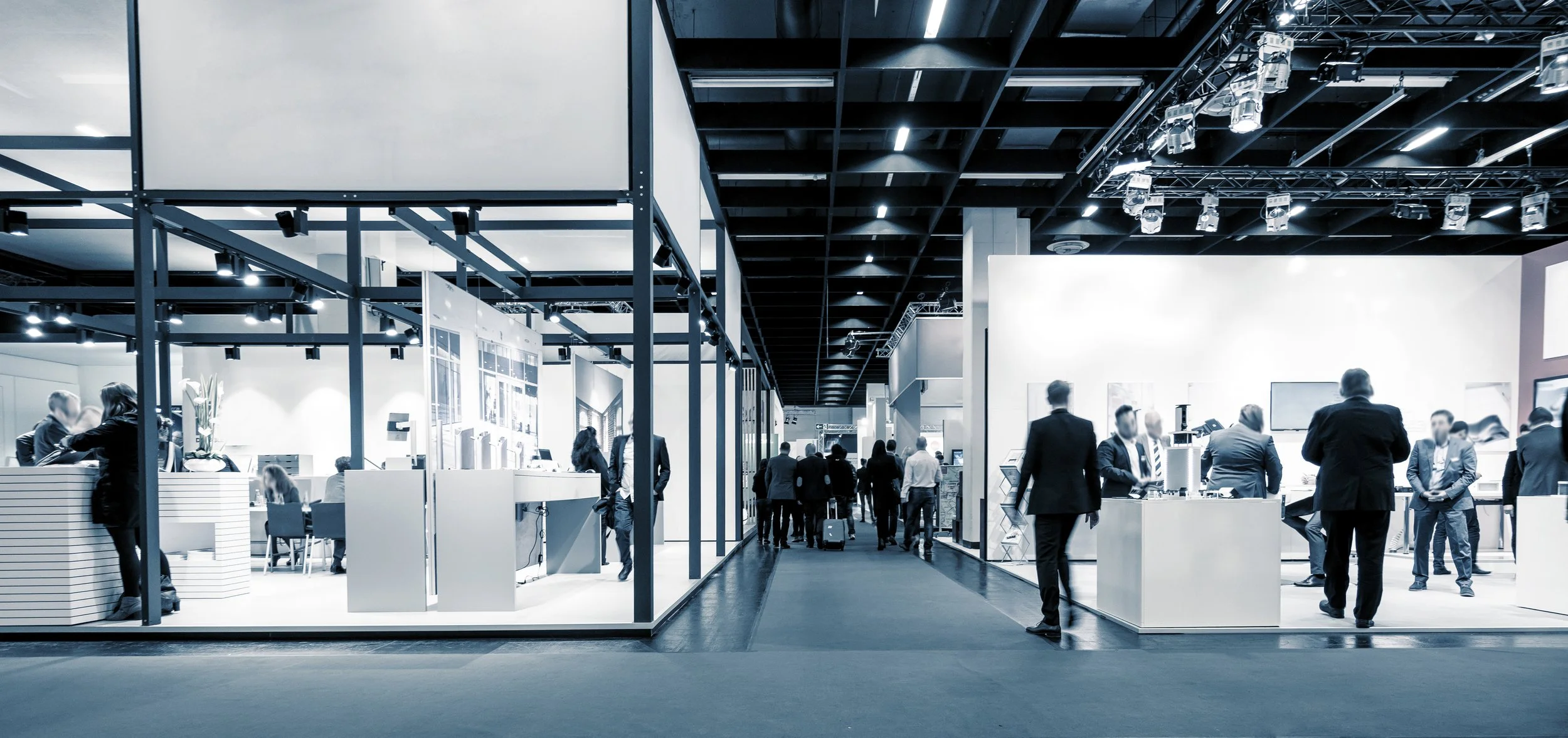
They built their trade show program with Easy Exhibit






What you gain
Useful outcomes for the team running the calendar
The audit turns dispersed event information into a practical basis for planning, discussion, and decision-making.
Program visibility
See your exhibition activity in one structured view across venues, regions, and recurring decisions.
Budget grounding
Use venue and location data to frame budget conversations with more confidence.
Team alignment
Give marketing leaders and event managers a shared reference point for the current situation.
Decision priorities
Identify which issues deserve attention first before wider program work begins.
What you receive
Tangible audit components you can review internally
The work is delivered as a focused assessment with documented findings and budget-oriented inputs tied to your exhibition program.
Current program review
A structured look at how your exhibition calendar is currently organized across events and markets.
- Event calendar review
- Venue-by-venue inputs
- Region-by-region view
- Recurring planning decisions
Visualised event data
Key information is organized into a format that helps the team compare venues and locations more easily.
- Numbered venue data
- Regional comparisons
- Planning assumptions
- Cost visibility inputs
Budget study
Budget framing is built from real data for each venue and location.
- Venue-level figures
- Location-based estimates
- Multi-event budget view
- 2+ year planning basis
Audit report
The findings are brought together in a document your team can use for next-step decisions.
- Issue summary
- Inconsistency findings
- Process observations
- Control considerations
- Recommended next steps
A concise diagnostic package built to support immediate internal discussion.
How we work
A simple four-step audit process
The work moves from context gathering to a practical diagnosis your team can act on.
Understand the context
We start with your exhibition calendar, business context, and the way the program is currently run.
Collect the core inputs
We review the relevant venue, region, and budget information needed for the audit.
Assess patterns and gaps
We examine where inconsistency, process friction, and control issues are affecting the program.
Present the diagnosis
You receive the audit findings and a practical basis for the next strategic discussion.
Why this fits
A good starting point when the program feels fragmented
Built for multi-event reality
The audit suits teams managing several events across markets, venues, and internal stakeholders.
Useful before bigger commitments
It helps shape the next decision when a full redesign or management model is still being evaluated.
Grounded in venue data
The budget study brings real location inputs into the conversation, which helps anchor planning.
Relevant to growing teams
As exhibition activity expands, the audit helps turn recurring friction into a defined review agenda.
It gives decision-makers a grounded starting point before wider exhibition changes.
Questions teams ask
Common questions before starting a Trade Show Audit
These answers help clarify fit, scope, and what the team can expect from the work.
Who is Trade Show Audit for?
It fits event marketing managers and marketing directors who run several trade shows and want a structured view of how the program is working across events, markets, and teams.
When is the right time to start?
It is most useful when the exhibition calendar is active, internal friction is recurring, and the team wants a grounded diagnosis before redesigning the program or changing the operating model.
What do we receive at the end?
You receive a Trade Show Audit report and a budget study based on real data per venue and location.
Does the audit include budget review?
Yes. Budget visibility is part of the audit through a study built on real data for each venue and location.
How long does the audit take?
The Trade Show Audit phase takes between 1 and 2 weeks.
Do we need a large exhibition program?
The fit is strongest when several events, multiple venues, or regional complexity are already part of the calendar. It can also suit a smaller program if the events carry meaningful commercial weight.
Can this lead into wider exhibition work?
Yes. The audit is a practical entry point for strategic definition, codified exhibition guidelines, or broader program management once the diagnosis is in place.
We already have brand guidelines. Is an audit still relevant?
Yes. Brand guidelines rarely cover the full operational reality of exhibitions across venues, partners, regions, and recurring event decisions.
Who should join the initial discussion?
A marketing decision-maker and the person closest to day-to-day event coordination usually bring the right mix of strategic and operational context.
Talk to the Easy Exhibit team
Request a first discussion about fit and scope
Share a few details about your exhibition calendar, current friction points, and the kind of diagnosis you need. That is enough to assess fit for a Trade Show Audit.
Commercial relationship.
This service is offered by Easy Exhibit and featured by French Tech Sofia as part of its ecosystem visibility initiatives.
French Tech Sofia presents and amplifies the offer. The partner company delivers it. Service delivery, pricing, contracting, and execution are handled by the provider unless stated otherwise.